Your cold email doesn't need better copy.
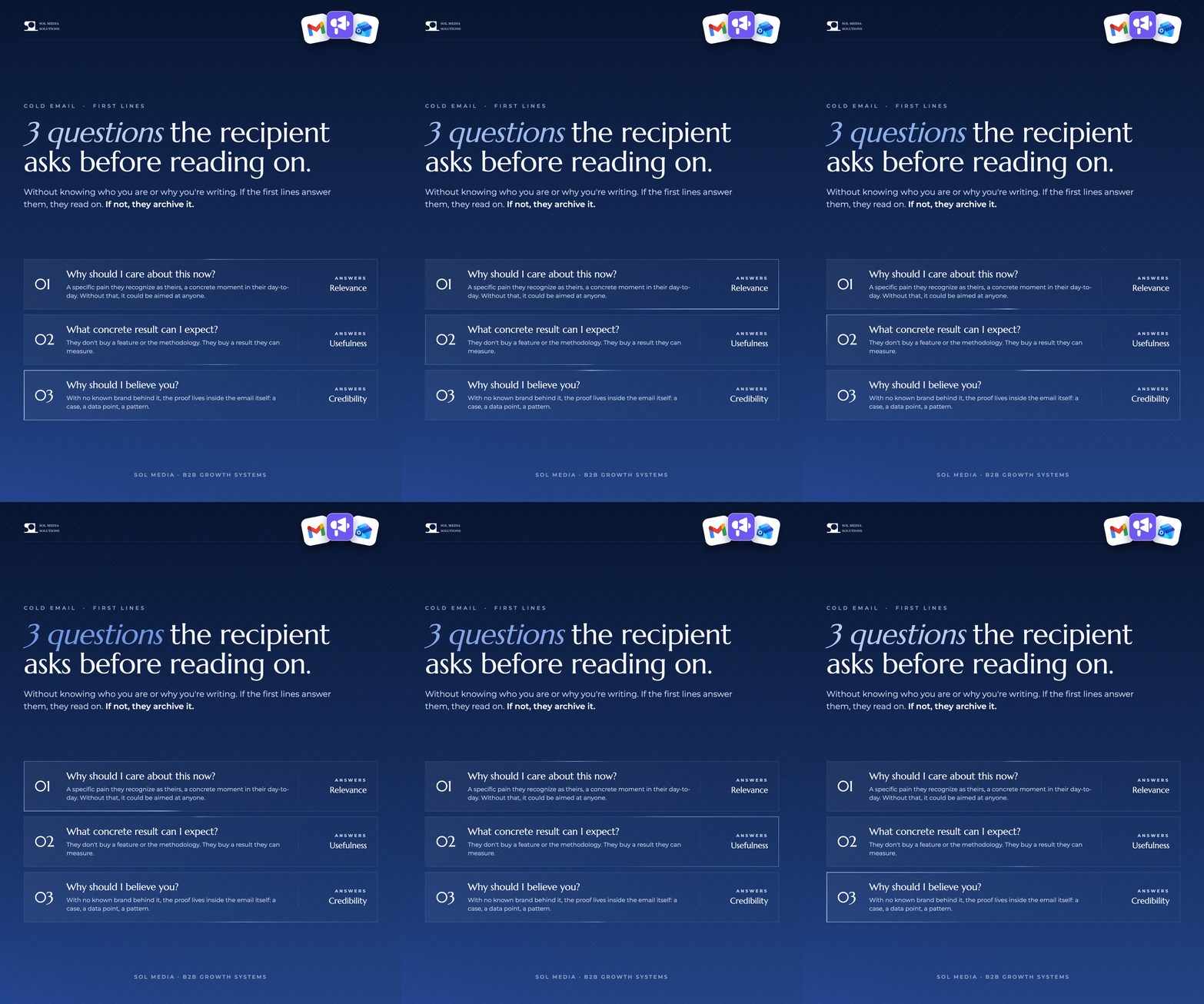
It needs to answer 3 questions in the first lines.
The recipient of a cold email gives you a few seconds before deciding whether to read on or archive it. In that time, without knowing who you are or why you're writing, they ask themselves three questions.
Why should I care about this now?
What concrete result can I expect?
Why should I believe you?
If the first lines of the message answer all three, they keep reading. If not, they archive it.
The first one is about relevance. The recipient needs to recognize themselves in what you say before going on. A specific pain, a concrete moment in their day-to-day, a situation they're dealing with. Without that, what you write could be aimed at anyone.
The second one is about usefulness. The recipient doesn't buy a feature or an explanation of your methodology. They buy a result they can measure. A number, an operational change, an improvement they recognize as their own.
The third one is about credibility. With no known brand behind it, the proof has to live inside the email itself. A case, a data point, a pattern that repeats across similar clients.
Translating a value proposition for outreach means building those three answers with the raw material you already have. Real pain in the segment, a measurable operational result, a case or data point that carries weight on its own.
A good exercise is to read the first three lines of your cold email and ask yourself which of the three questions goes unanswered. That's usually the piece you need to rewrite.
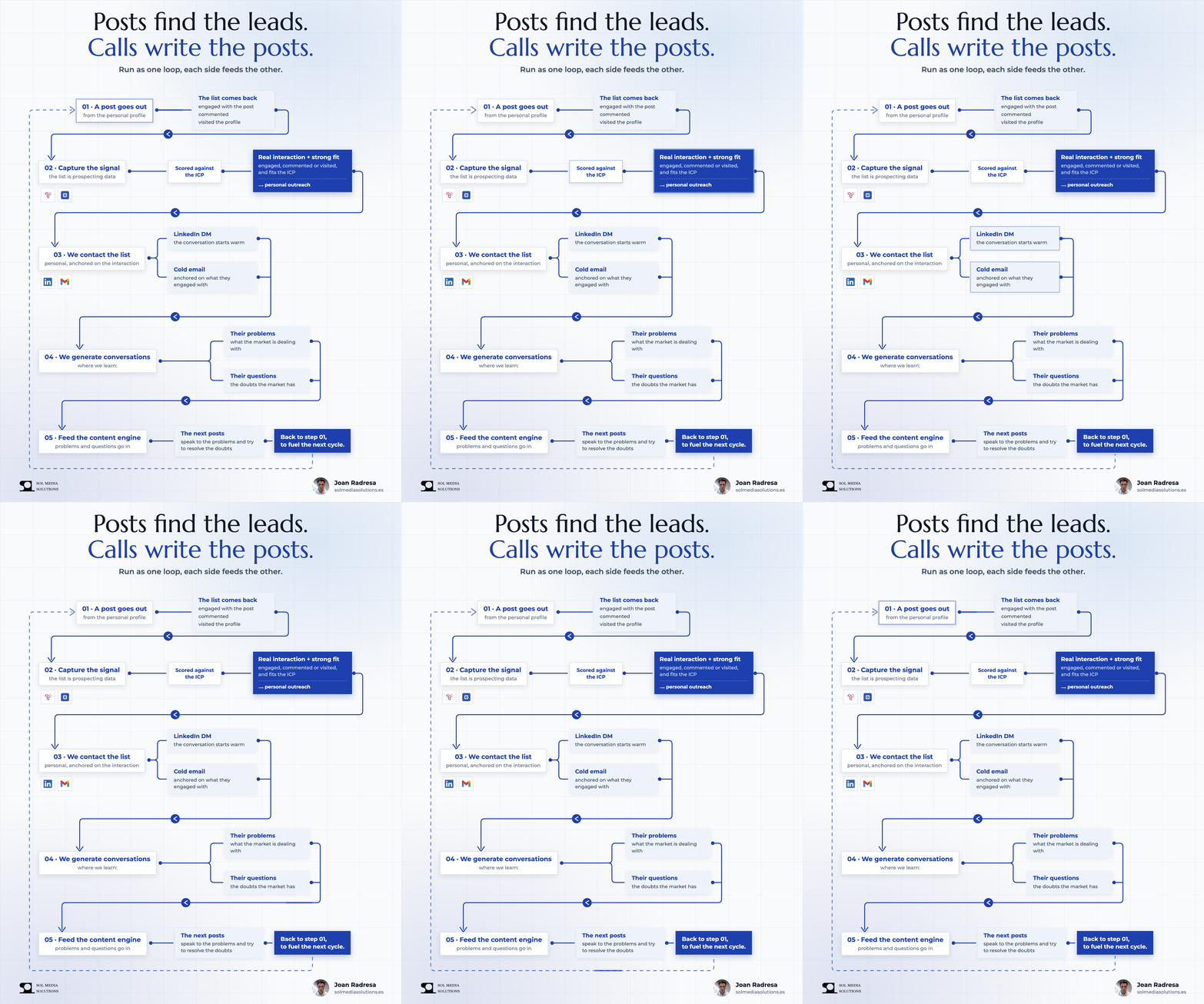
In most B2B companies, content and outbound live in different rooms. Run as one loop, each side feeds the other
Read →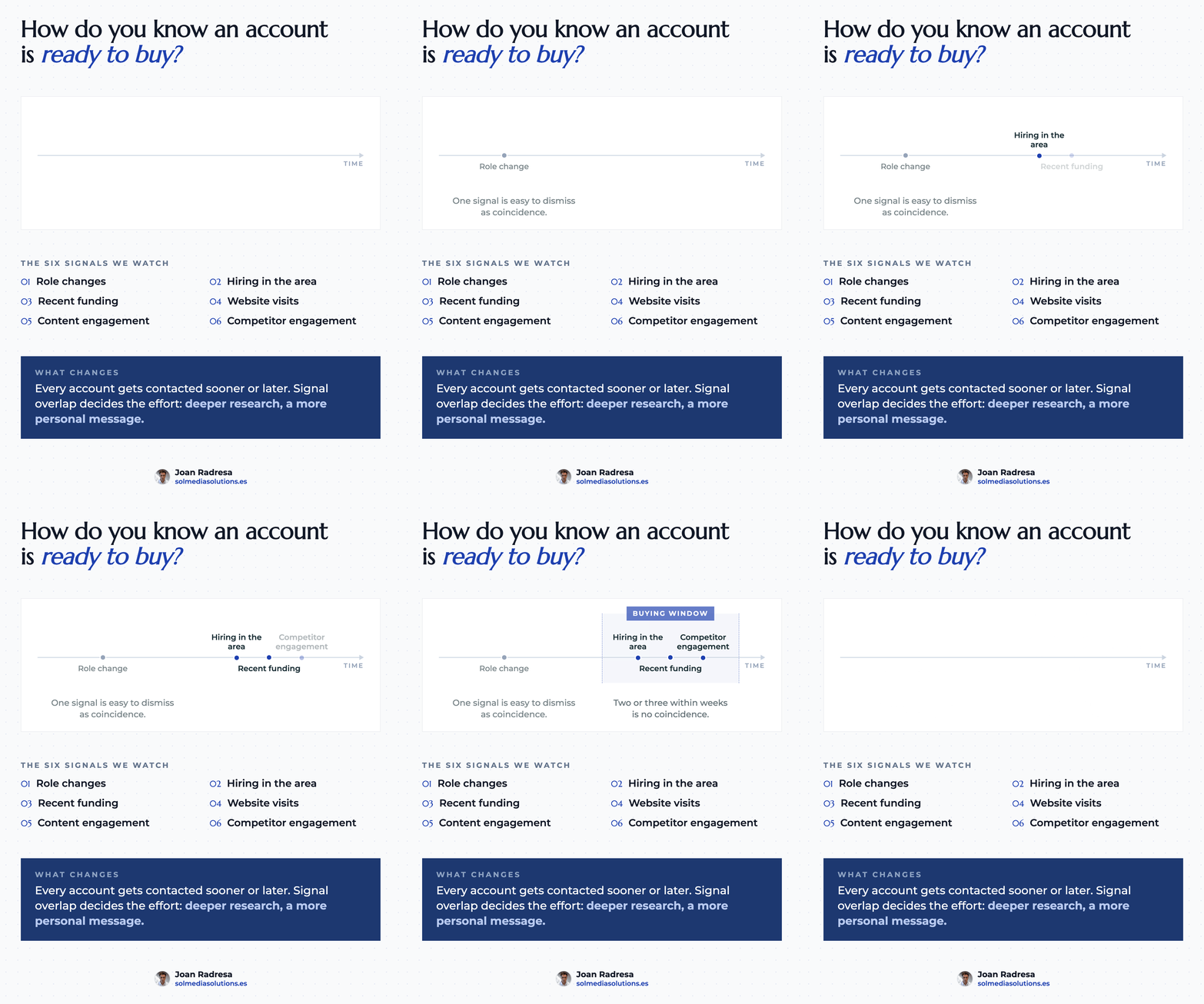
How we decide which accounts get real effort: six indicators of urgency and one rule about where they overlap
Read →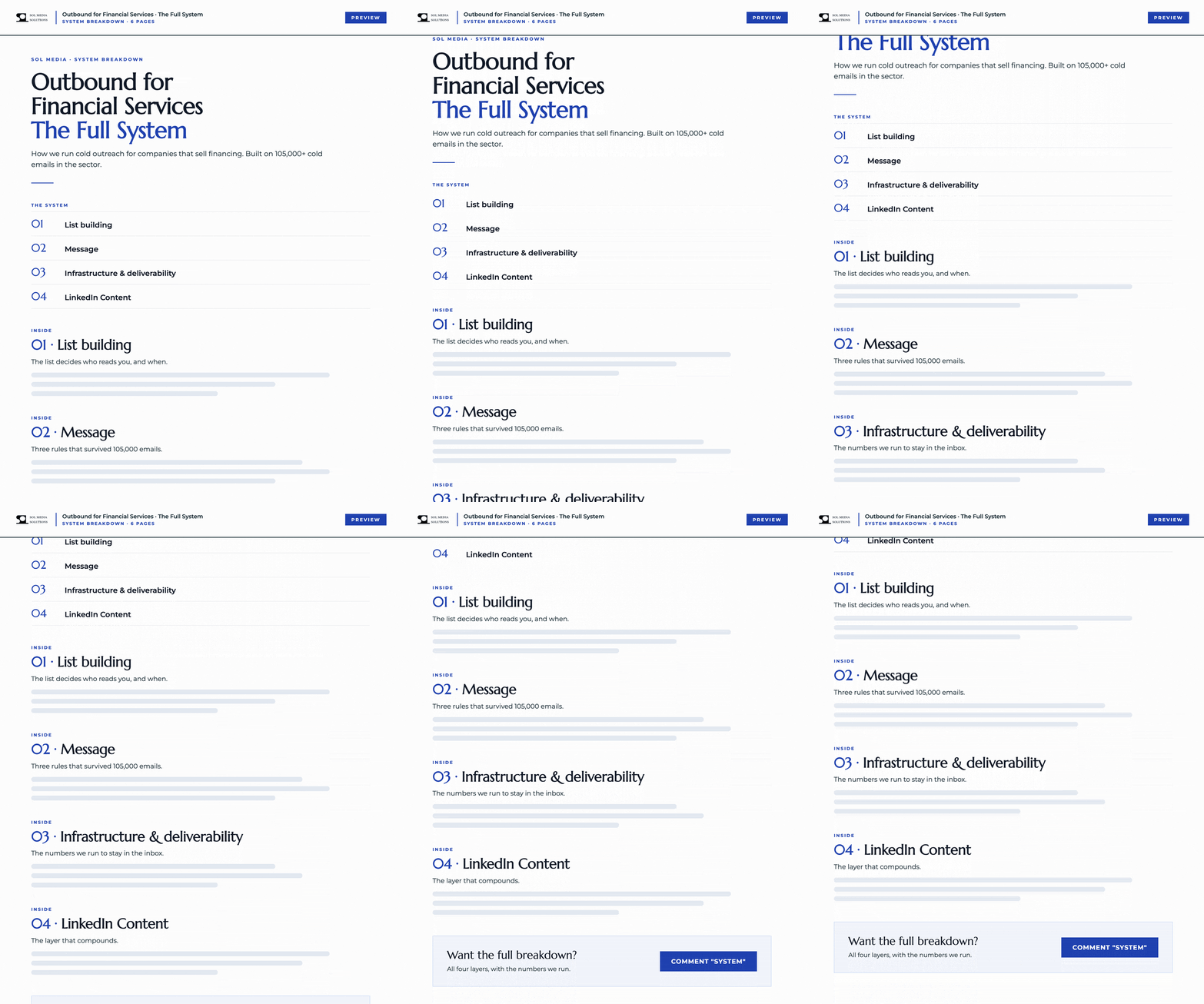
Finance vocabulary gets flagged as spam and CFOs read inflated claims as a reason to say no. What 105,000+ emails taught us
Read →This is how we think and execute. If you want to see how it would apply to your case, let's talk.
