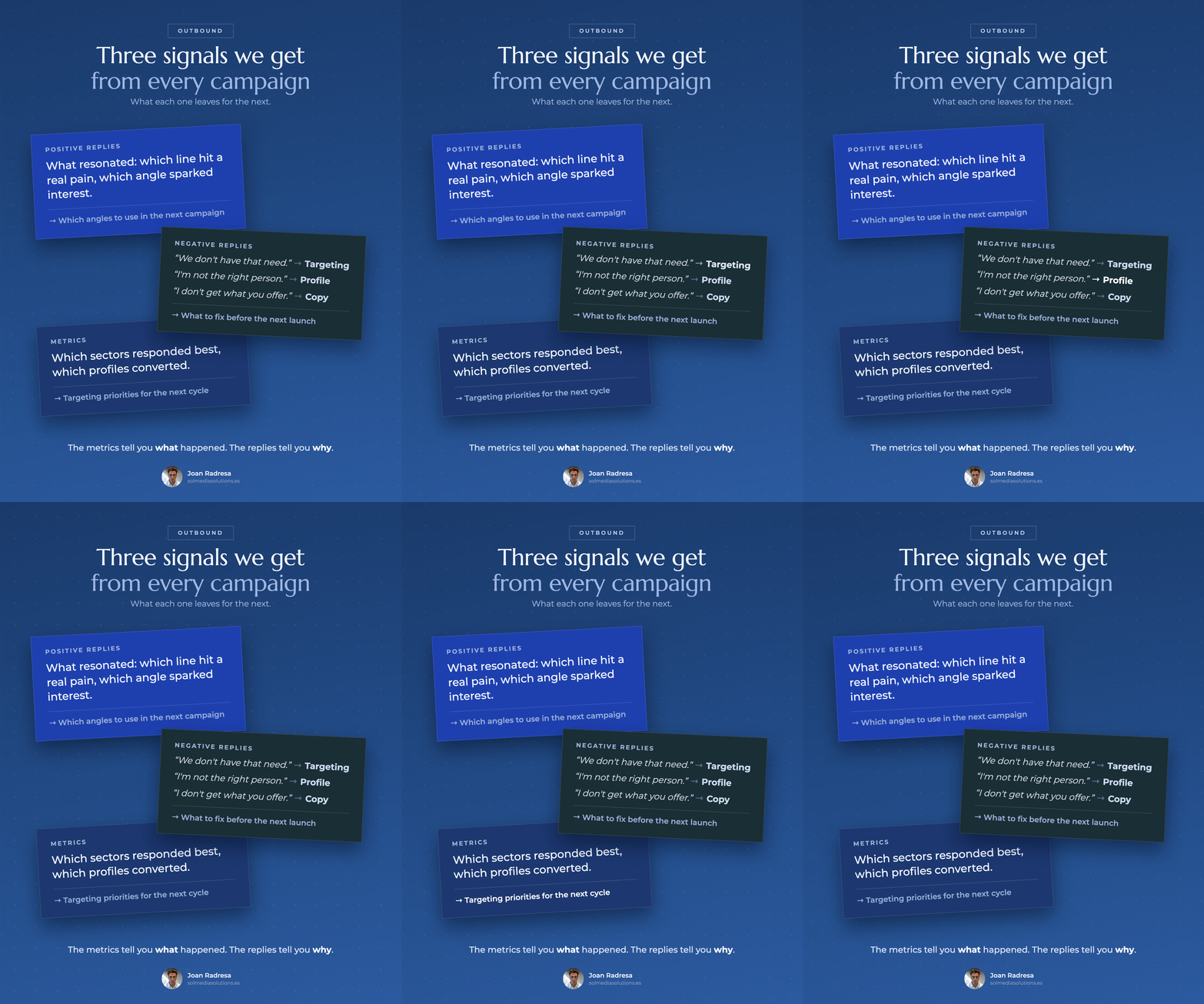
The metrics tell you what happened. The replies tell you why. Almost nobody reads them together, and the diagnosis lives in that second read.
After every campaign there are three kinds of signal that inform the next one: the positive replies, the negative ones, and the metrics by sector and profile.
The positive replies tell you what resonated: which line hit a real pain, which angle sparked interest. When several leads mention the same point in their replies, that angle should carry more weight in the next campaign.
The negative replies, on the other hand, are the most direct feedback the market gives us. And they don't all mean the same thing.
If a lot of them say "we don't have that need", the targeting is off: wrong sector, wrong moment, or both.
When most say "I'm not the right person", the contact profile is poorly defined. The department, the role, the level of decision. The fix is in reaching a different profile.
When leads reply "I don't get what you offer", the problem is in the copy: the offer isn't clear for that profile. The message needs clarifying before the next campaign.
And then there are the metrics. Which sectors responded best, which profiles moved to a meeting, which stalled at proposal, and which turned into clients. That data decides who to reach first in the next cycle, not the team's intuition.
The metrics tell you what happened. The replies tell you why. Look only at the dashboard and you lose half the diagnosis.
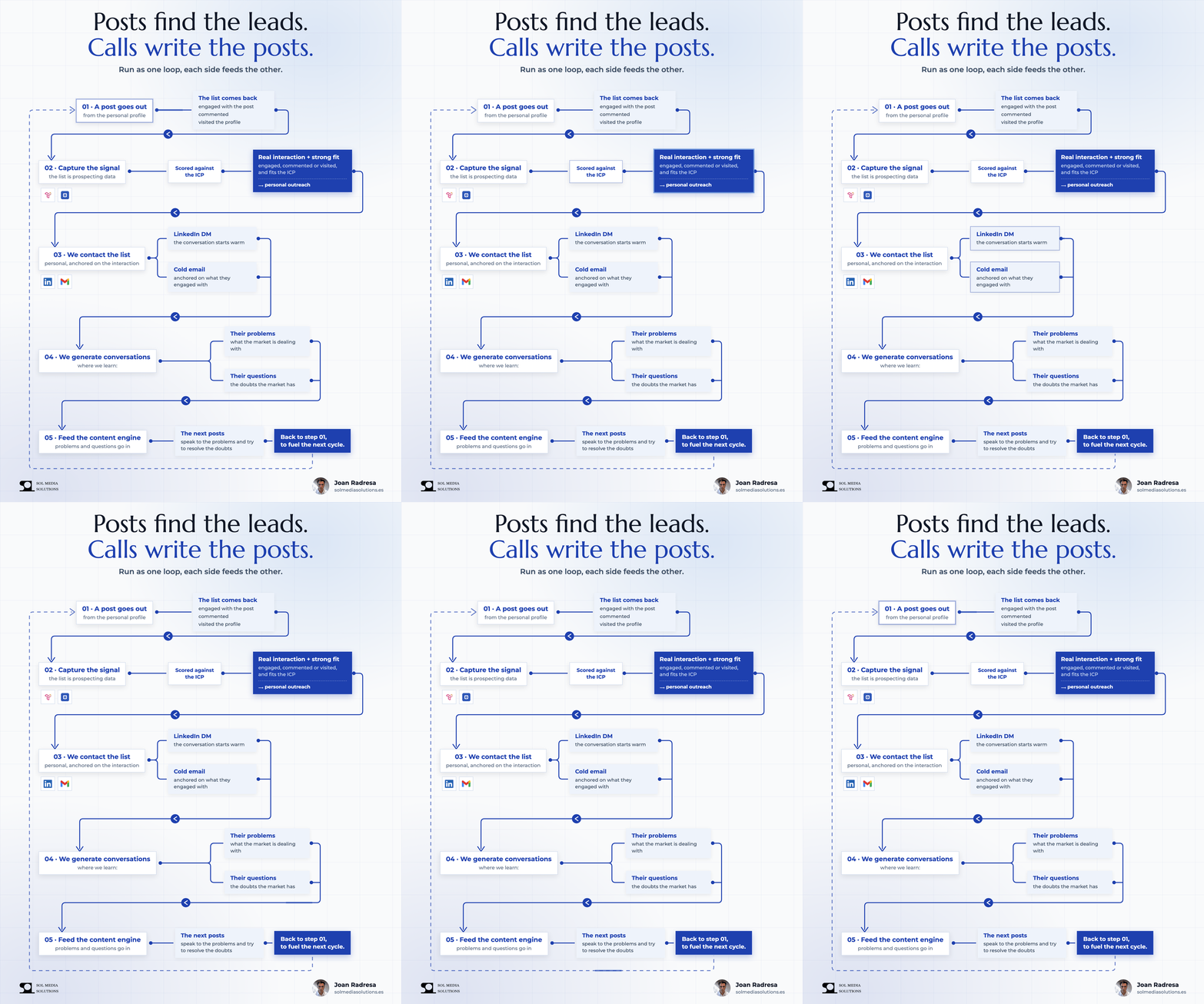
In most B2B companies, content and outbound live in different rooms. Run as one loop, each side feeds the other
Read →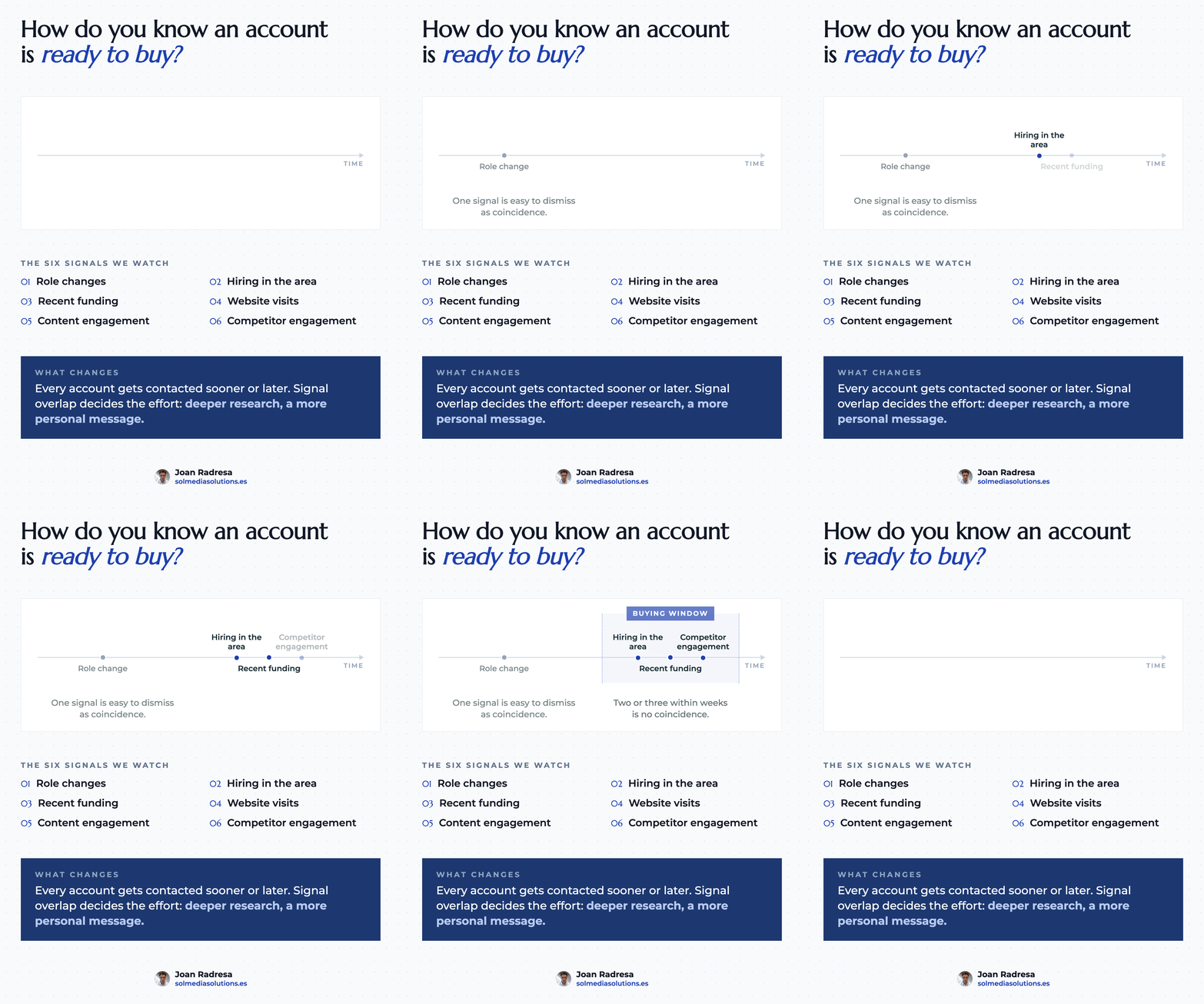
How we decide which accounts get real effort: six indicators of urgency and one rule about where they overlap
Read →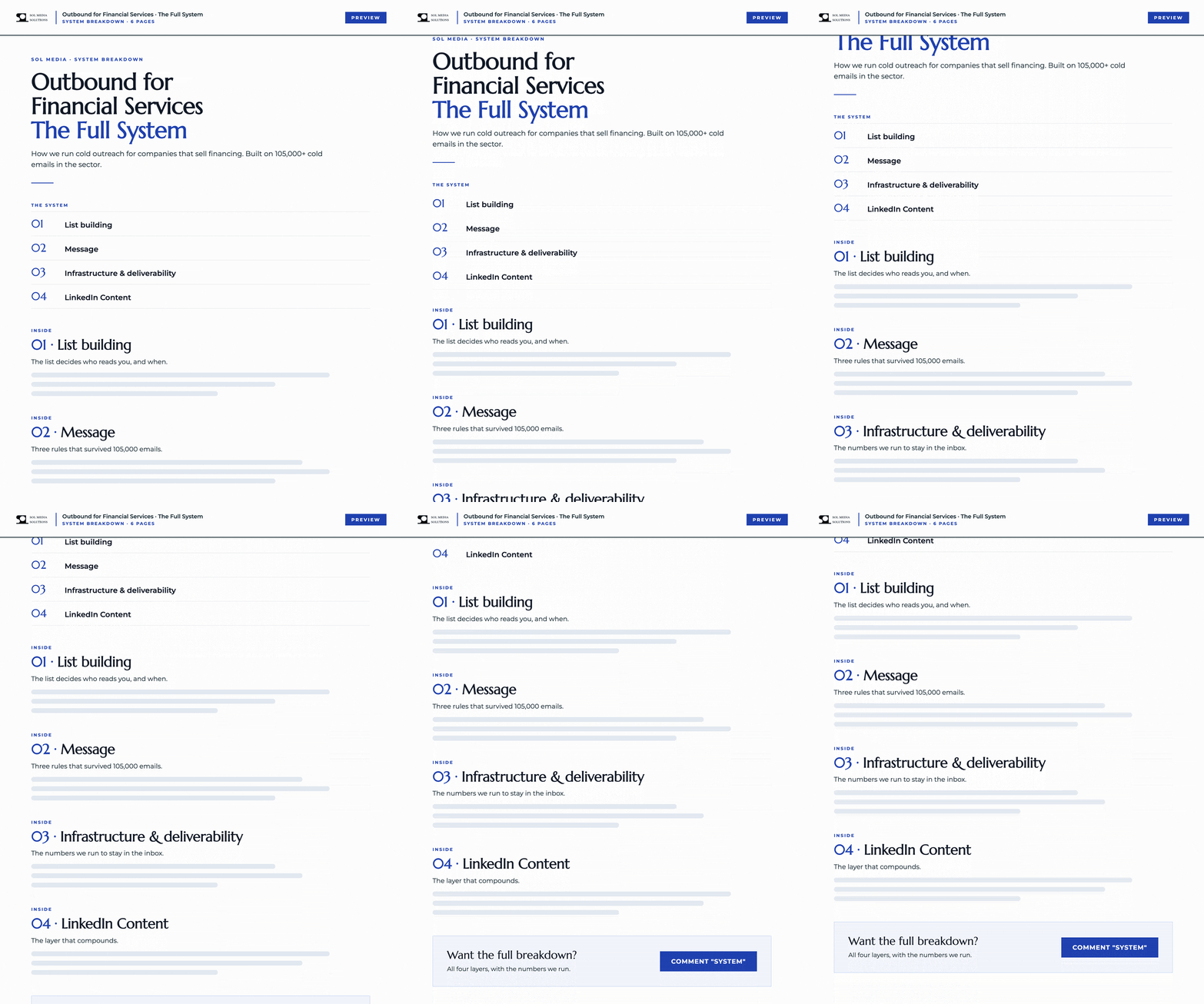
Finance vocabulary gets flagged as spam and CFOs read inflated claims as a reason to say no. What 105,000+ emails taught us
Read →This is how we think and execute. If you want to see how it would apply to your case, let's talk.
